Maitri Journal · Buddhist education
The Geshema degree and a new chapter for women’s scholarship
A graduation ceremony records a moment of recognition. The work behind it is much longer: study, debate, examinations, and the everyday commitment of students and teachers. The first Geshema graduation marked a significant development in women’s access to advanced Tibetan Buddhist scholarship.
The milestone in 2016
On December 22, 2016, twenty nuns received the first Geshe-ma degrees at Drepung Lachi in Mundgod, Karnataka. The Office of His Holiness the Dalai Lama’s account describes graduates from five nunneries and recognizes the work of the nuns and their teachers. It also discusses the graduates’ potential contribution as teachers themselves.
This matters beyond the ceremony. A scholarly qualification recognizes achievement while making a path visible to those who follow. The graduates’ work belongs to a living educational tradition, carried through teaching and the next generation of students.
Looking beyond the milestone
Understanding that path requires attention to the conditions around education. Housing, healthcare, study materials, and examination costs may receive less attention than a graduation, but they are part of the practical support surrounding a student’s training.
The Maitri Project’s program for nuns and Geshe-mas addresses housing, healthcare, study, and exam costs. Its purpose is to support practitioners through the work that leads to those public moments of achievement.
A film introduction
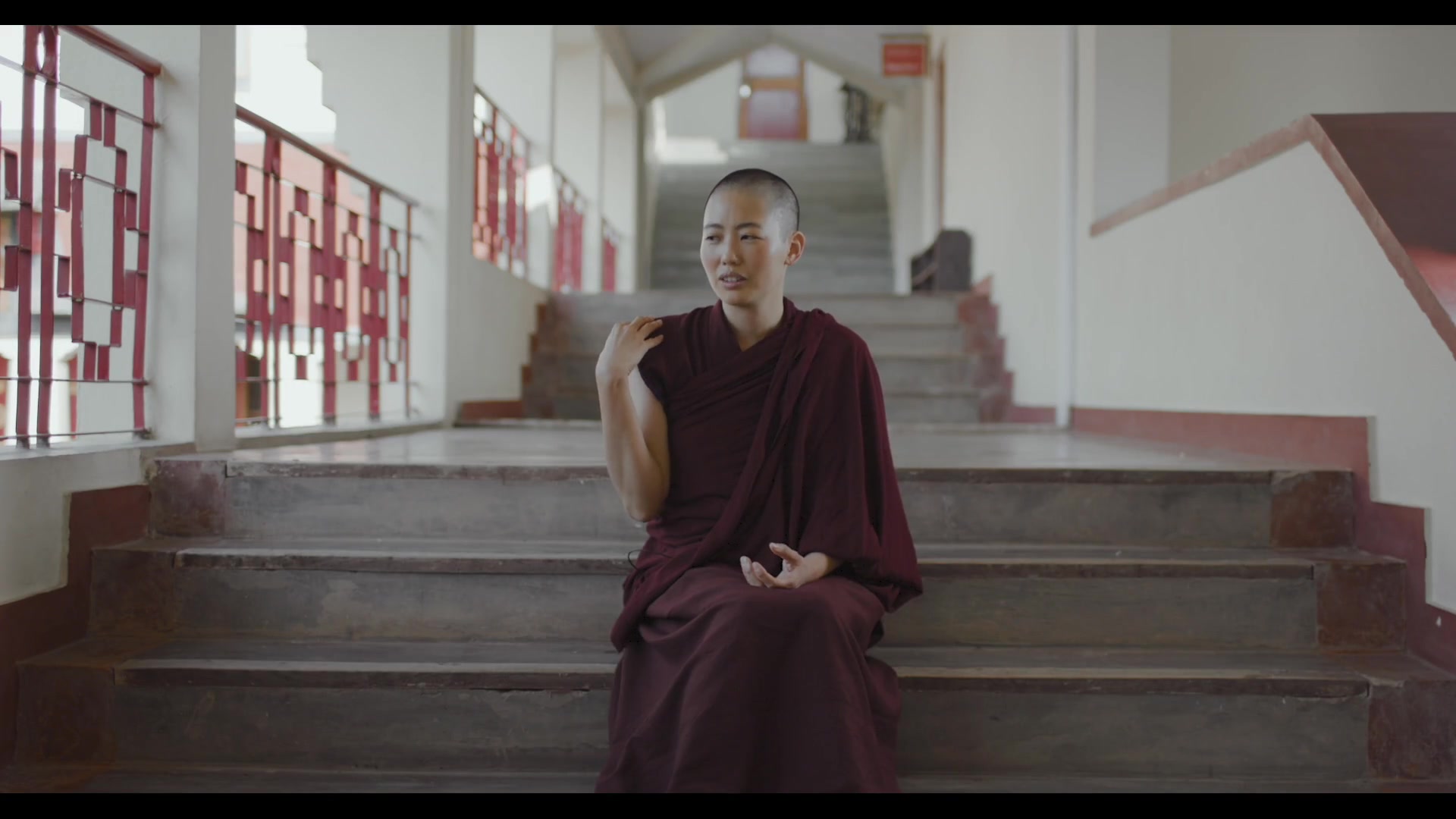
Rise of the Geshe-Ma, produced and co-directed by Edward Sczudlo, introduces viewers to women pursuing advanced Buddhist scholarship. The documentary offers a way to encounter study and practice through the people involved.
Watch Rise of the Geshe-Ma or explore Maitri’s support for nuns and Geshe-mas.